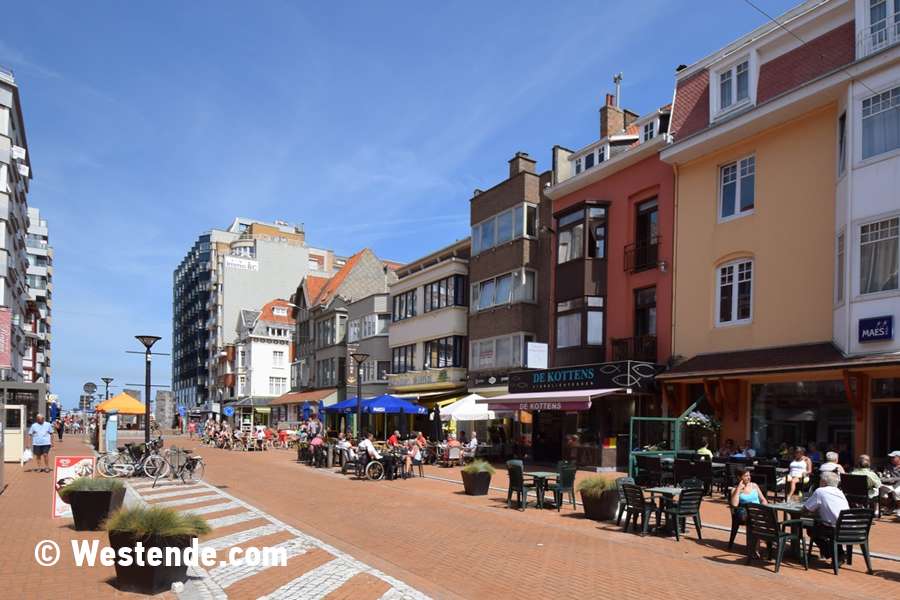
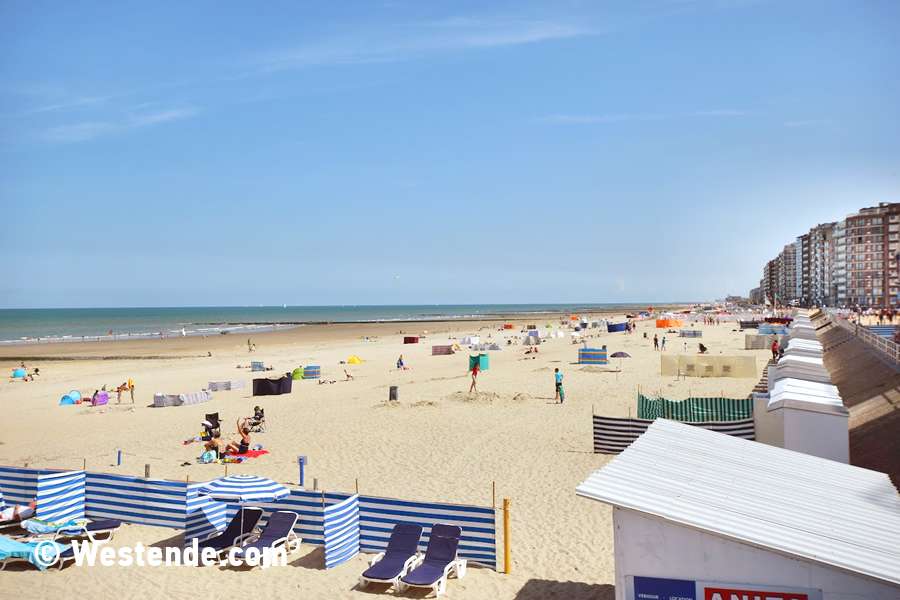
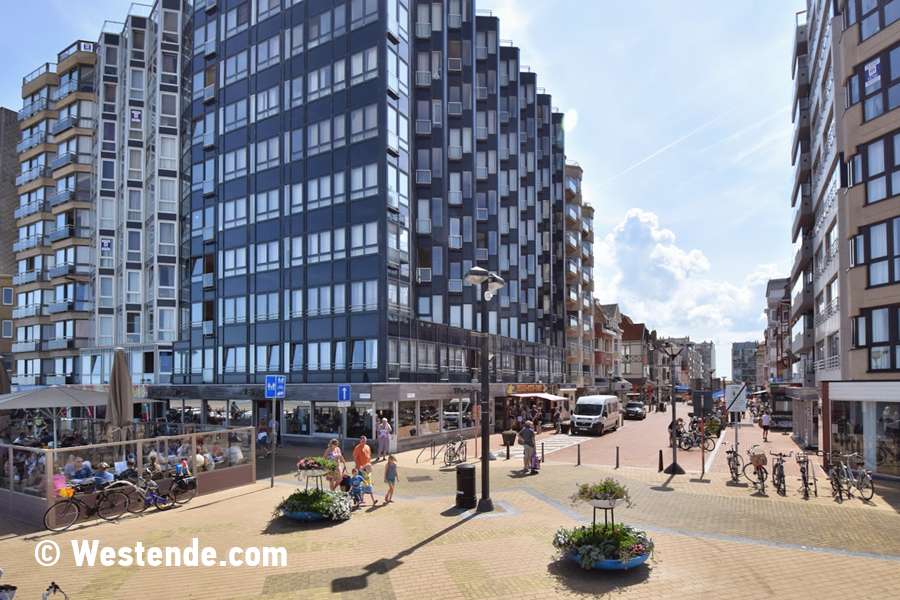
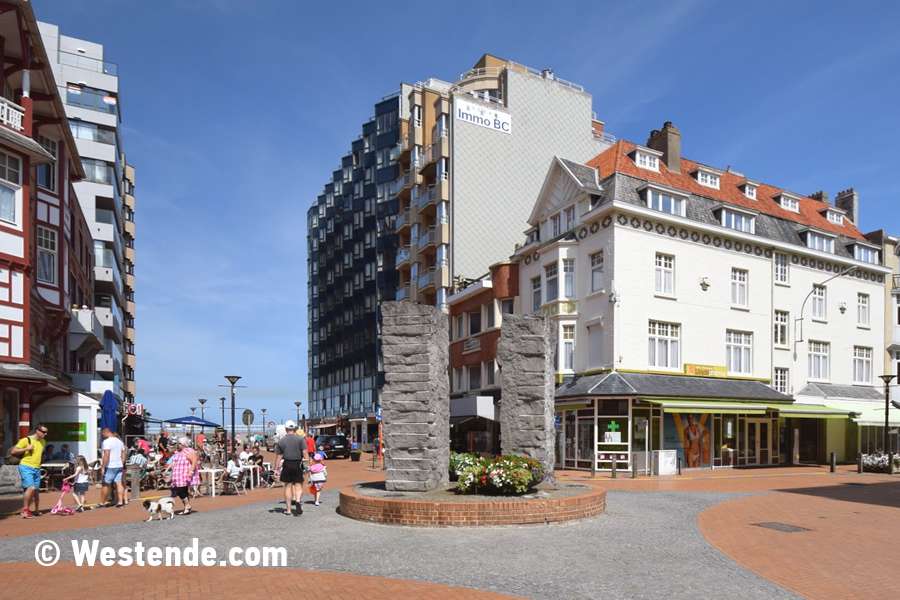
Westende is known for its variety and is perfect for families. Alongside the pleasant sandy beach there are plenty of sports facilities and an entertainment programme for the whole family, which makes Westende one of the finest destinations along the Belgian coast, for a short weekend just as much as for a long stay.
The beach
Westende is a seaside resort without any needless frills, and that is precisely what makes the beach here so relaxed.
Kilometres of sand: together with the rest of the municipality of Middelkerke, Westende has around nine kilometres of sandy beach, all linked by a long promenade.
Quiet and roomy: no packed beaches or endless queues, but space enough for a towel, a sandcastle and a kite, even in high season.
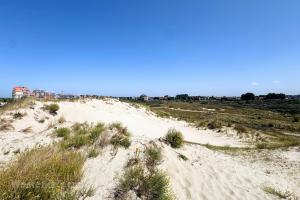
Dunes and polder side by side: Westende lies partly in the dunes and partly in the polder, a combination you notice the moment you walk a few hundred metres inland.
Swimming safely: during the bathing season lifeguards watch over the supervised zones, marked by beach flags. Outside those zones, take care: the currents along this coast can be treacherous.
Sport and activities
Anyone who does not fancy lying still on a towel all day has come to the right place in Westende.
Activities on the sand: in July and August, enthusiastic sports instructors run an extensive programme on the beach, from beach volleyball and beach football to all sorts of games. Best of all: most activities are free.
Behind the beach lies a resort with a surprisingly grand past.
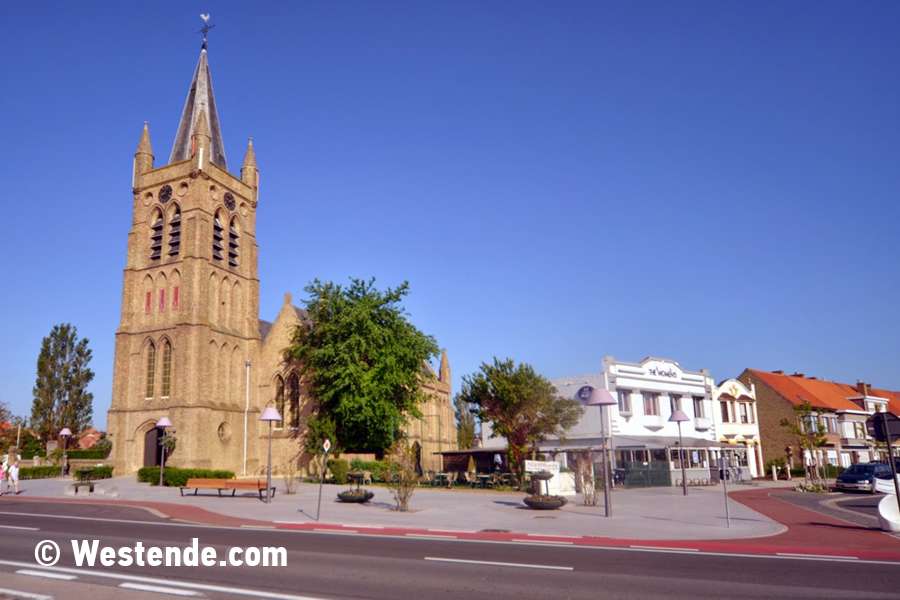
A walk past the villas: stroll along Meeuwenlaan, Duinenlaan, Arendlaan and Portiekenlaan and you see at once that Westende was once a resort for the well-to-do. Rows of authentic villas invite a short voyage of discovery.
Building behind the Koninklijke Baan: this flat land was reclaimed from the sea centuries ago, and buildings here stand exclusively behind the Koninklijke Baan, the road linking all the coastal resorts. That keeps the view of the sea open.
Part of Middelkerke: Westende forms one municipality together with Middelkerke, Lombardsijde and a few polder villages, which means shops, nightlife and the casino are just a short bike ride to the neighbours.
A seaside resort pure and simple: calm, space and hospitality come first here. That is exactly why Westende has so many campsites, apartments and hotels.
Nature and landscape
Anyone who loves peace and open space will find more nature around Westende than you might expect of a seaside resort.
Sint-Laureinsduinen
The Sint-Laureinsduinen form a beautiful and varied nature area between Westende-Bad and the military domain Kwartier Lombardsijde. The dune area covers just over 45 hectares and is a pleasant place for a short walk close to the coast. What can you expect in the Sint-Laureinsduinen? - Restored dune nature: Where campsites ...
The Schuddebeurze nature area in Westende is a special nature reserve of around 40 hectares. The area consists of ancient lime-poor dunes, pools, historic landscapes and striking traces of wartime history. What can you expect at Schuddebeurze? - Ancient dune landscape: The dunes of Schuddebeurze are so old that most of ...
The dune landscape: enthusiasts can enjoy the distinctive flora and fauna that belong to the dunes, from sea buckthorn and marram grass to rabbits and a host of bird species.
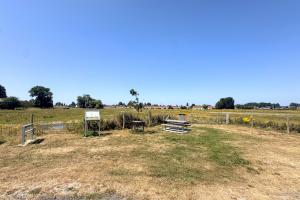
The polder behind the coast: a few minutes on a bike brings you into a flat, green landscape of ditches, pollarded willows and farmsteads, ideal for a gentle ride without a single incline.
Wild beaches close by: towards Lombardsijde and the mouth of the Yser the landscape grows rougher and quieter, with dune areas where you sometimes spot seals and plenty of birds.
Different every season: in spring the dunes flower, in autumn the polder turns colour, and in winter you often have the beach entirely to yourself.
Sights and culture
There is certainly no shortage of culture in and around Westende, and the finest pieces are in the architecture.
Villa Les Zéphyrs
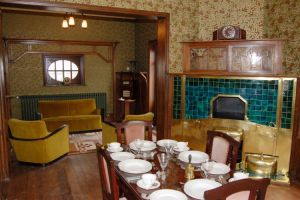
The elegant atmosphere of the early 20th century awaits you at Villa Les Zéphyrs in Westende, a beautifully preserved example of the rich coastal life of yesteryears. What to expect at Villa Les Zéphyrs? - Historical Architecture: Villa Les Zéphyrs, built in the 1920s, is a perfectly preserved example of typical ...
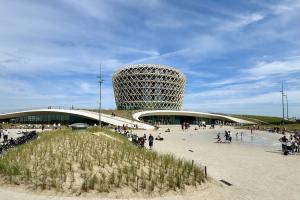
Silt is undoubtedly the most iconic building in Middelkerke. This iconic structure literally forms the centerpiece of the Middelkerke boulevard and offers visitors an unforgettable experience full of excitement, luxury, and relaxation. What can you expect at SILT in Middelkerke? - Luxurious Stay: At the top of the ...
Art in public spaces: the municipality owns a striking collection of visual art, spread along the promenade and the public domain. A walk by the sea thus becomes a small open-air museum all by itself.
More to discover: the area also has various museums and monuments, ideal for a day when the weather is less kind.
Food and drink
Flemish dining culture lives up to expectations here as well.
Fish and seafood: fresh fish, mussels and shrimp form the backbone of the menu in the restaurants along the promenade and in the village.
The shrimp croquette: the benchmark of every coastal brasserie, made with grey North Sea shrimp and best enjoyed on a terrace with a sea view.
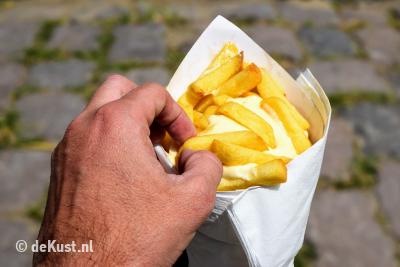
Belgian classics: give in to beef stew and chips, a waffle on the promenade or a cone of chips from the frituur, with a Belgian beer alongside.
Local cooking in the polder: inland too you will find good addresses where regional produce and seasonal cooking take the lead.
With children in Westende
Westende is very much a family destination, where children are kept busy from morning till night.
Holiday entertainment: during the school holidays an extensive activity programme runs for children, with supervision and games on the beach.
Playing outdoors: there are playgrounds, skateboard facilities and crazy golf courses, and the beach itself of course remains the biggest playground of all.
Out on a go-kart: the long promenade is ideal for a spin on a hired go-kart or a family cycle, a classic on the Flemish coast.
Explore the surroundings
From Westende the whole Flemish coast is within easy reach, often without needing the car.
By coastal tram: the coastal tram, the longest tram line in the world, stops in Westende and takes you from De Panne to Knokke-Heist, with every resort along the way as a possible stop.
Neighbours with character:Middelkerke is right next door with its casino and shops, while Nieuwpoort has the largest marina in northern Europe and the Yser estuary.
Towns full of history: ideal day trips include Ostend, the UNESCO heritage of Bruges, lively Ghent and the moving wartime past of Ypres.
Unspoilt nature: a little further along lies De Westhoek, the largest dune reserve in Belgium, with a genuine sand desert where you could briefly imagine yourself in the Sahara.
Staying in Westende
From an apartment with a sea view to a tent behind the dunes, there is an option here for every budget.
Apartments by the sea: the most popular choice on the Flemish coast. An apartment on the promenade means waking up to a view of the surf.
Holiday homes and villas: anyone coming with the family or a larger group has plenty of room in a holiday home, often with a garden and within walking distance of the beach.
Hotels and B&Bs: from a cosy bed and breakfast to a well-appointed hotel, ideal for a short weekend away with no fuss.
Camping by the dunes: Westende has a notably large number of campsites, where you sleep with the sound of wind and sea in the background. Have a look at the last minutes too for a sharp deal.
Practical information
A few things are handy to know before you set off for the coast.
Getting there: Westende is easily reached by car via the E40, taking the exit towards Middelkerke or Nieuwpoort. From the Netherlands you drive via Antwerp and Bruges, reaching the coast in around two hours.
By public transport: get off the train at Ostend and take the coastal tram or the bus, which brings you right up to the beach at Westende in a matter of minutes.
Parking: in high season finding a space near the promenade takes patience, and charges often apply there too. Come early, or park a little further out and walk or cycle the last stretch.
Best time to visit: July and August are the busiest and warmest, and that is exactly when the activity programme is in full swing. Spring and autumn offer calm, beautiful light and empty beaches.